First DUI in North Carolina: What Happens to Your Driver’s License?
A first DWI arrest in North Carolina can turn your daily life upside down within hours. Your driver’s license can be taken on the spot, your driving privileges suspended before your case ever reaches a courtroom, and the road to full license restoration is longer than most drivers expect.
At Asheville DUI Guy, we have helped first-time DWI offenders across North Carolina understand their legal options, protect their driving privileges, and move forward with confidence. Working with an experienced Asheville DUI defense attorney from the start can mean the difference between a full one-year revocation and keeping limited driving privileges while your case plays out.
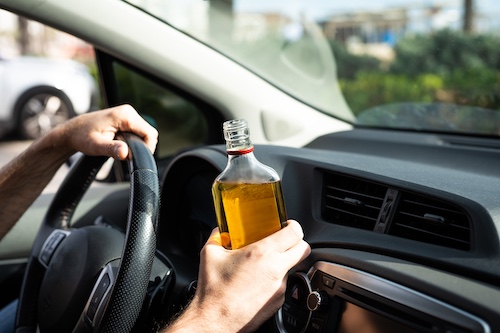
Understanding DUI vs. DWI in North Carolina
Knowing the difference between DUI and DWI in North Carolina is the first step to understanding your legal situation after a drunk driving arrest.
DUI and DWI Mean the Same Thing in North Carolina
Most drivers use DUI and DWI interchangeably, but North Carolina law uses one official term: DWI, which stands for Driving While Impaired. DWI covers impairment from alcohol, controlled substances, or any other impairing substance. The charge applies whether you are over the legal BAC limit or visibly impaired behind the wheel.
The Legal BAC Limit in North Carolina
North Carolina sets different blood alcohol concentration limits based on the driver. Most drivers face a legal limit of 0.08% BAC. Commercial drivers have a stricter limit of 0.04%. Drivers under 21 fall under a zero-tolerance policy, with a legal limit of 0.01%. Exceeding these limits during a breath test or blood test gives law enforcement grounds for a DWI arrest.
Who Enforces DWI Laws in North Carolina
Law enforcement officers conduct field sobriety tests and chemical tests during a DWI stop. The North Carolina Department of Motor Vehicles handles license suspension and revocation after a DWI conviction. Both agencies play a direct role in the outcome of your case and your driving privileges.
Immediate Consequences: License Suspension at Arrest
A DWI arrest in North Carolina triggers immediate action against your driver’s license before you ever set foot in a courtroom.
What Triggers an Immediate License Suspension
Law enforcement can suspend your driver’s license on the spot if your BAC meets or exceeds the legal limit during a breath test or blood test. Refusing to submit to a chemical test also triggers an immediate suspension. North Carolina’s implied consent laws require all drivers to submit to testing when law enforcement has reasonable suspicion of impaired driving.
The Automatic 30-Day Civil Revocation
After a DWI arrest, North Carolina imposes an automatic 30-day civil revocation of your driving privileges. The revocation begins immediately and is separate from any criminal penalties tied to a DWI conviction. Law enforcement will confiscate your physical driver’s license at the scene and issue a temporary driving certificate.
What Happens if You Refuse a Breath or Blood Test
Refusing a chemical test carries serious consequences under North Carolina’s implied consent laws. A refusal results in an automatic 30-day civil revocation and can be used against you in court. Drivers who refuse testing also face a one-year revocation of their driver’s license regardless of the outcome of their DWI case.
Commercial Drivers and Underage Drivers Face Stricter Rules
Commercial drivers and underage drivers face a higher risk after a DWI arrest. Commercial drivers can lose their commercial license for a first DWI offense, creating long-term career consequences. Drivers under 21 face license suspension under North Carolina’s zero-tolerance policy, even with a BAC well below the 0.08% limit for most drivers.
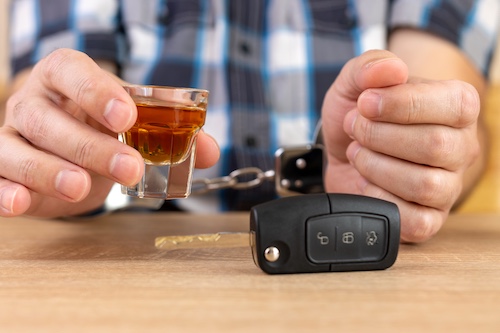
The Pre-Trial Process: Administrative Hearings and Limited Driving Privileges
After a DWI arrest, you have a narrow window to act before losing your driving privileges for the full pre-trial period.
The 10-Day Window to Request a DMV Hearing
North Carolina gives you 10 days after a DWI arrest to request an administrative hearing with the DMV. This hearing is your opportunity to contest the 30-day civil revocation of your driver’s license. Missing this deadline means the suspension moves forward automatically with no chance to challenge it.
Administrative vs. Criminal Court Processes
The DMV administrative hearing and your criminal DWI case run on separate tracks. The administrative process deals strictly with your driving privileges and license suspension. The criminal court process determines guilt, sentencing, and additional penalties like fines, jail time, and community service. The outcome of one does not automatically determine the outcome of the other.
Eligibility for a Pre-Trial Limited Driving Privilege
After the first 10 days of your civil revocation, most first-time DWI offenders can apply for a Limited Driving Privilege. To qualify, you must have held a valid driver’s license at the time of your DWI arrest, have no prior DWI conviction within the past seven years, and have no additional charges pending. A skilled attorney can help you meet the requirements and file the correct paperwork.
What a Limited Driving Privilege Covers
A pre-trial Limited Driving Privilege allows you to drive to work, school, medical appointments, and court-ordered treatment programs. It does not restore full driving privileges. Drivers arrested with a BAC of 0.15% or higher face a 45-day waiting period before applying and may be required to install an ignition interlock device on their motor vehicle.
After a DWI Conviction: Revocation, Penalties, and Limited Driving Privileges
A DWI conviction in North Carolina carries mandatory penalties that affect your driver’s license, your finances, and your daily life.
Mandatory One-Year License Revocation
A first-time DWI conviction results in a mandatory one-year revocation of your driving privileges. This revocation applies regardless of any administrative suspension you already served after your DWI arrest. The North Carolina Department of Motor Vehicles enforces this revocation separately from any criminal sentencing.
How Sentencing Levels Affect Your Case
North Carolina uses five sentencing levels for DWI convictions, ranging from Level I (most serious) to Level V (least serious). A judge determines your sentencing level by weighing grossly aggravating factors, aggravating factors, and mitigating factors present in your DWI case. Grossly aggravating factors include a prior DWI conviction within seven years, a child in the vehicle at the time of arrest, or causing serious injury while driving impaired.
Additional Penalties Alongside License Revocation
A DWI conviction often brings penalties beyond license revocation. Courts commonly impose fines, court costs, community service, probation, and a minimum jail sentence depending on your sentencing level. Most first-time offenders are also required to complete a substance abuse assessment and any recommended treatment programs before regaining full driving privileges.
Post-Conviction Limited Driving Privilege
Most first-time DWI offenders without grossly aggravating factors can apply for a post-conviction Limited Driving Privilege. This allows you to drive to work, school, medical appointments, and court-ordered treatment programs during your revocation period. Drivers convicted with a BAC of 0.15% or higher must install an ignition interlock device on their motor vehicle and may face a longer waiting period before qualifying for limited driving privileges. An SR-22 insurance filing is required as part of the application process.
License Restoration and Long-Term Consequences
Restoring your driver’s license after a first DWI conviction in North Carolina requires completing specific steps and understanding the lasting impact on your record.
Steps to Restore Your Driver’s License
Once your one-year revocation period ends, you must take several steps to restore your driver’s license through the North Carolina Department of Motor Vehicles. You must complete a substance abuse assessment and any required treatment programs, pay all outstanding fines, court costs, and DMV restoration fees, and provide proof of insurance through an SR-22 filing. Some drivers may also need to pass additional DMV testing before full driving privileges are restored.
Ignition Interlock Requirements for High BAC Cases
Drivers convicted with a BAC of 0.15% or higher must install an ignition interlock device on their motor vehicle as a condition of license restoration. The ignition interlock device requires a clean breath test before the vehicle will start. High-risk drivers may be required to use the device for a set period after their driving privileges are restored.
Impact on Your Driving Record and Insurance
A DWI conviction stays on your driving record in North Carolina and cannot be expunged. Insurance companies treat a DWI conviction as a serious offense, and most drivers see significant rate increases following a conviction. Commercial drivers face additional consequences, including potential permanent loss of their commercial driver’s license.
Employment, Criminal Record, and Social Consequences
A first DWI conviction creates a permanent criminal record that can affect job applications, professional licensing, and background checks. Some employers have strict policies against hiring candidates with a DWI conviction on their record. The social stigma tied to a drunk driving conviction can also affect personal relationships and community standing.
Why Legal Representation Matters
A skilled defense lawyer can challenge the evidence in your DWI case, including the validity of field sobriety tests, the accuracy of the breathalyzer test, and whether law enforcement had reasonable suspicion to make the stop. A defense lawyer can also pursue a plea deal, seek reduced charges such as reckless driving, and help you secure limited driving privileges during your revocation period. First-time offenders who work with an experienced attorney consistently achieve better outcomes than those who face the court system alone.
Contact Asheville DUI Guy for a Free DWI Case Review!
A first DWI charge in North Carolina is a serious offense, but you do not have to face it alone. Our team at Asheville DUI Guy is ready to review your case, explain your legal options, and fight to protect your driving privileges from day one.
Contact us at 828-759-5556 for a free case consultation today!